Circular Economy: A modern approach to sustainability
For centuries, the traditional linear economic model, characterized by a “take, make, dispose” approach, has dominated industrial production. However, this model’s reliance on finite resources and the generation of vast amounts of waste are proving unsustainable in the face of global environmental and social challenges. A transformative alternative, the circular economy, is gaining traction as a viable path toward a more resilient and sustainable future. By designing out waste and pollution, keeping products and materials in use, and regenerating natural systems, the circular economy offers a multitude of compelling advantages that span economic, environmental, and social dimensions.
Economic Value Creation Through Circular Systems
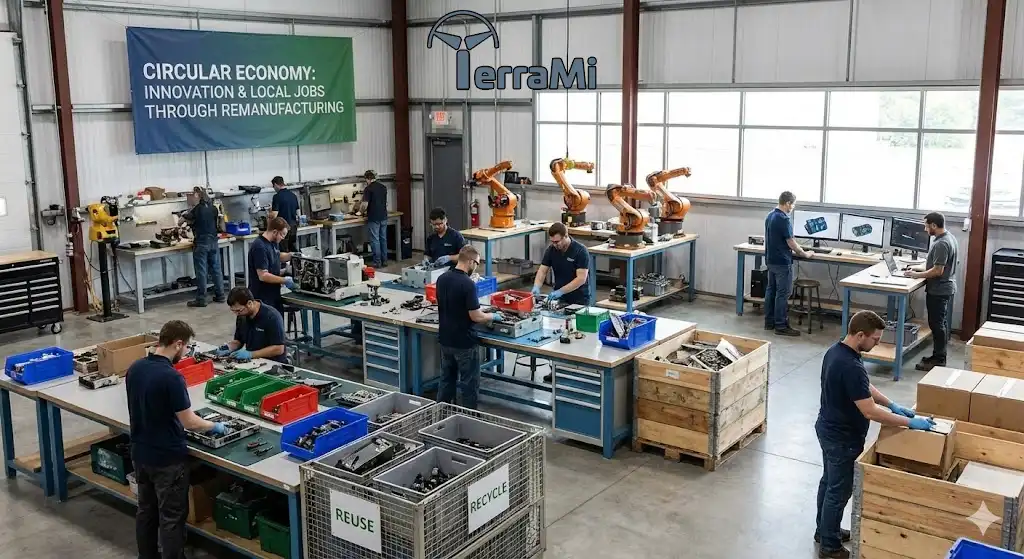
Economically, the circular economy is a powerful driver of innovation and new business opportunities. Unlike the linear model that focuses on maximizing production, a circular system encourages companies to develop new services, technologies, and business models centered on product longevity, repair, and remanufacturing. This shift creates value from materials that would otherwise be discarded, reducing costs associated with raw material extraction and waste disposal. For example, companies can establish take-back programs to reclaim materials, while repair and maintenance services create a new stream of revenue and localized jobs. This economic model fosters resilience by reducing dependence on volatile global supply chains and commodity markets, thereby insulating businesses from price fluctuations and resource scarcity.
Environmental Benefits and Climate Impact Reduction
From an environmental perspective, the benefits of a circular economy are profound and direct. By minimizing the need for virgin resources, it conserves natural capital and reduces habitat destruction and biodiversity loss associated with extraction. A core principle of the circular model is the elimination of waste, meaning fewer materials end up in landfills or incinerators. This not only mitigates land and air pollution but also drastically cuts down on the energy required for production and disposal. Furthermore, keeping materials in a closed loop significantly lowers greenhouse gas emissions. For instance, recycling and remanufacturing materials like steel and plastic use a fraction of the energy needed to produce them from scratch. This makes the circular economy a critical tool in the fight against climate change.
Social Impact and Community Resilience
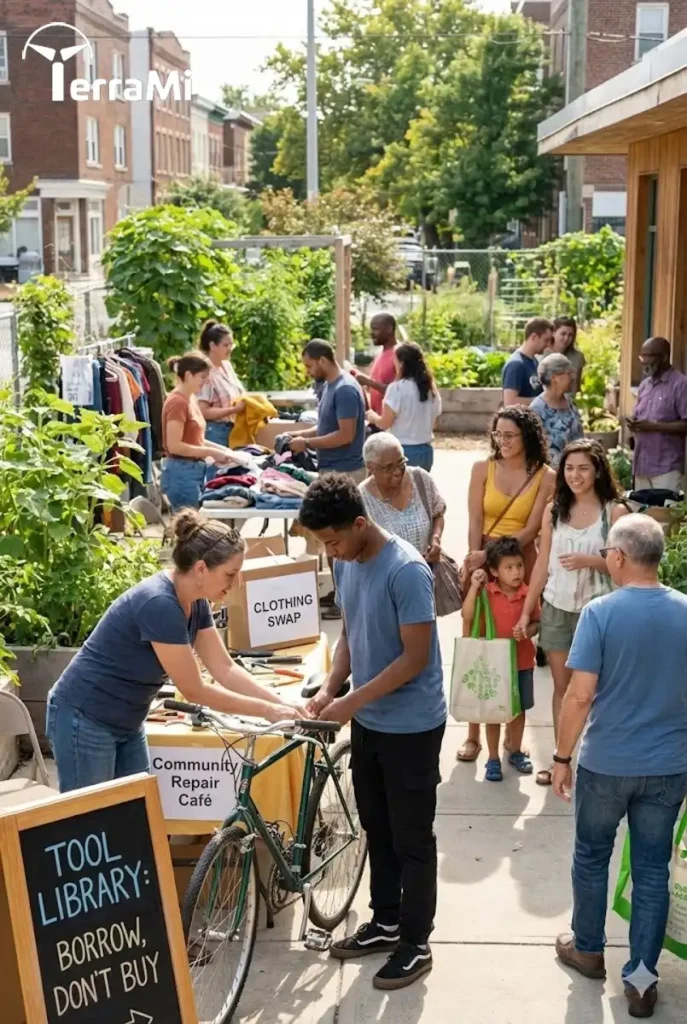
The circular economy offers significant social advantages by creating more equitable and resilient communities. By emphasizing localized activities like repair, recycling, and sustainable production, it can stimulate local economies and generate new, meaningful employment opportunities. This approach also has the potential to make goods and services more accessible. Instead of solely selling products, businesses can adopt “product-as-a-service” models, where customers pay for the use of an item rather than its ownership. This model makes high-quality goods more affordable. By reducing the environmental burden on communities and creating a more stable and localized economic base, the circular economy contributes to a higher quality of life and greater social well-being for everyone.
Conclusion: From Linear Consumption to Regenerative Systems
In conclusion, the circular economy represents a fundamental and necessary shift from a wasteful to a regenerative system. It offers robust economic opportunities, substantial environmental gains, and fosters stronger, more equitable communities. This makes it far more than just a passing trend; it is a comprehensive framework for a sustainable future. It provides a blueprint for societies to thrive within the ecological limits of our planet.
Contact Us
Our experts at Terrami are always ready to provide you with tailored guidance and practical solutions for implementing the Circular Economy in your business and community. Whether you are looking to reduce waste, improve resource efficiency, or develop sustainable business models, our team can help you identify the most effective strategies. Get in touch with us through our contact channels and discover how Terrami’s insights and expertise can support your journey toward a more resilient and sustainable future.