
Beyond Compliance: Embedding ESG in Infrastructure Operations
Introduction: Why ESG Must Move Beyond Reporting
Environmental, Social, and Governance (ESG) principles have become central to how infrastructure assets are planned, delivered, and evaluated worldwide. As Operational ESG in Infrastructure gains importance across both developed and emerging markets, regulators, investors, lenders, and communities increasingly expect infrastructure organizations to demonstrate not only ESG commitments, but measurable performance over time.
Despite this shift, ESG implementation across much of the infrastructure sector remains largely compliance-driven. Reporting frameworks, sustainability disclosures, and external ratings are often treated as end goals rather than tools for operational improvement. While compliance may satisfy short-term requirements, it rarely leads to meaningful changes in how infrastructure systems are designed, constructed, and operated.
To build resilient, future-ready infrastructure, ESG must evolve from a reporting obligation into an operational discipline embedded within daily decision-making.
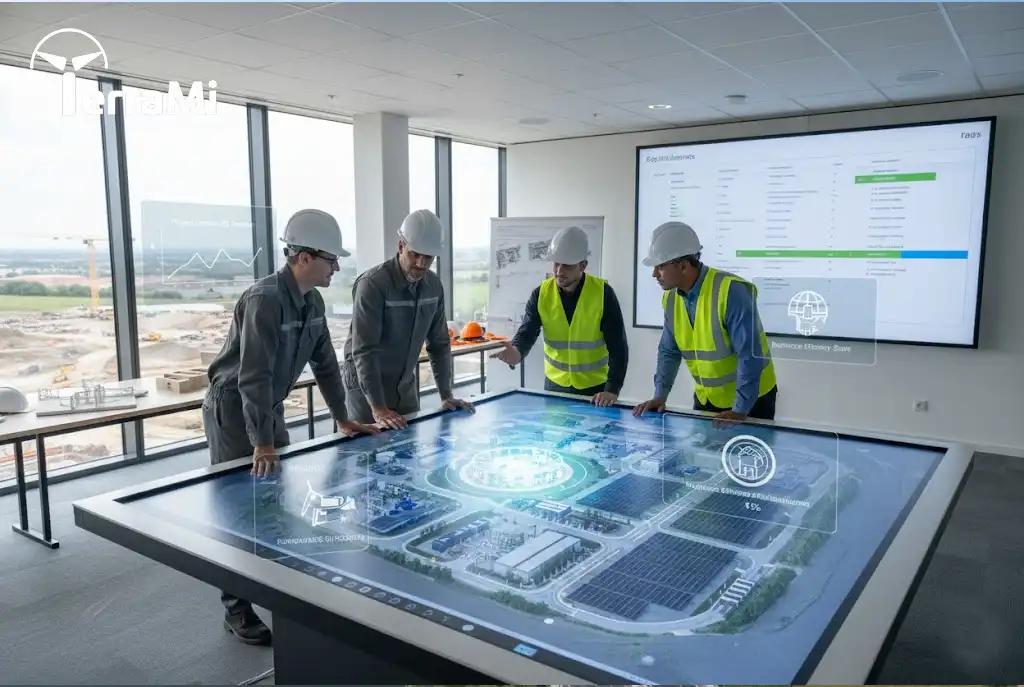
What It Means to Embed ESG in Infrastructure Operations
Embedding ESG into infrastructure operations means integrating sustainability considerations into the same systems that govern performance, risk, and asset management. ESG ceases to function as a parallel initiative and instead becomes part of how organizations operate.
From Strategic Intent to Operational Execution
Most infrastructure owners and operators have articulated ESG commitments at the corporate or portfolio level. The challenge lies in translating these commitments into clear, repeatable operational practices, such as:
- ESG-aligned criteria embedded into procurement and contracting processes
- Environmental and social risk assessments integrated into project planning
- Governance mechanisms that link ESG outcomes to executive accountability
When ESG principles are operationalized, they begin to influence real decisions across the organization rather than remaining aspirational.
Aligning ESG with Operational Priorities
Operational teams are more likely to engage with ESG when sustainability objectives align with their core responsibilities. In practice:
- Energy efficiency supports cost control and system reliability
- Health and safety performance improves productivity and workforce retention
- Climate resilience enhances asset availability and service continuity
By framing ESG in operational terms, organizations reduce resistance and accelerate adoption without increasing administrative burden.
Integrating ESG Across the Infrastructure Lifecycle
Effective ESG integration requires a lifecycle perspective. Each phase of infrastructure delivery and operation offers distinct opportunities to embed sustainability into decision-making.
Planning and Design
Early-stage decisions carry long-term implications for environmental impact, social outcomes, and financial performance. During planning and design, organizations can:
- Incorporate climate risk and resilience analysis into asset design
- Evaluate materials using whole-lifecycle carbon and cost assessments
- Design assets for adaptability, durability, and future reuse
Embedding ESG at this stage reduces downstream risk and avoids costly retrofits later in the asset lifecycle.
Construction and Delivery
Construction is often the phase where ESG commitments face the greatest execution risk. Operational ESG during delivery includes:
- Monitoring emissions, waste generation, and resource use during construction
- Enforcing safety, labour, and inclusion standards across contractors
- Tracking compliance with environmental approvals and community commitments
Digital tools and structured data collection enable ESG performance to be actively managed rather than assessed only at project completion.
Operations and Maintenance
For most infrastructure assets, operations represent the longest and most impactful phase of the lifecycle. Embedded ESG in operations focuses on:
- Continuous optimization of energy and water use
- Preventive maintenance strategies that extend asset life
- Workforce well-being, training, and safety performance
- Ongoing monitoring of environmental and social indicators
At this stage, ESG integration directly supports reliability, resilience, and long-term value creation.
ESG Data as an Operational Asset
High-quality data is the foundation of effective operational ESG. Traditional ESG reporting often relies on manual data collection, spreadsheets, and periodic reporting cycles. These approaches are poorly suited to complex, dynamic infrastructure environments.
Operational ESG requires:
- Integration of ESG metrics into existing asset management and enterprise systems
- Automated data capture from equipment, sensors, and digital platforms
- Clear data governance, ownership, and accountability
Crucially, organizations must prioritize decision-relevant metrics—indicators that directly inform operational choices and risk mitigation strategies. Tracking data solely for disclosure purposes adds limited value. When ESG data is treated as an operational asset rather than a reporting obligation, it becomes a powerful driver of performance improvement

Governance and Accountability in Operational ESG
Embedding ESG into operations also requires appropriate governance structures. In many organizations, ESG responsibility is concentrated within sustainability or communications teams, limiting its influence on core decisions.
A more effective governance model includes:
- Clear executive ownership of ESG performance
- Defined ESG responsibilities for project and operations leaders
- Performance incentives aligned with sustainability outcomes
- Board-level oversight focused on long-term risk and value creation
This structure ensures ESG considerations are embedded throughout the organization rather than isolated within a single function.
ESG Integration as a Global Infrastructure Imperative
Across global infrastructure markets, several forces are accelerating the shift toward operational ESG integration:
- Increasing alignment between ESG performance and access to capital
- Rising expectations from communities, users, and civil society
- Growing exposure to climate-related physical and transition risks
- Regulatory momentum toward standardized sustainability disclosures
Infrastructure organizations that proactively embed ESG into operations are better positioned to manage uncertainty, maintain stakeholder trust, and deliver durable performance across diverse contexts.
Moving from ESG Reporting to ESG Performance
Transitioning from compliance-driven ESG to operational integration does not require abandoning reporting frameworks. Instead, reporting should reflect the outputs of strong operational systems.
A practical transition typically involves three steps:
- Assess ESG Integration Maturity: Identify where ESG already influences operational decisions and where gaps remain.
- Embed ESG into Existing Systems: Integrate sustainability metrics into asset management, procurement, and performance systems rather than creating parallel structures.
- Design for Scalability and Automation: Build ESG processes that can evolve alongside digital tools and future regulatory requirements.
This approach reduces administrative effort while increasing transparency and impact.
Conclusion: ESG as a Driver of Infrastructure Performance
The future of ESG in infrastructure lies beyond compliance. As expectations from investors, regulators, and communities continue to rise, organizations that limit ESG to reporting exercises will struggle to demonstrate tangible value.
By embedding ESG principles into operations, infrastructure leaders can enhance resilience, improve efficiency, and strengthen long-term asset performance. When implemented effectively, ESG becomes a driver of operational excellence rather than an external obligation.
At TerraMi, we have bridged the gap between global ESG frameworks and real-world infrastructure execution. Our proprietary software platform is engineered to align complex project data with international sustainability goals, providing a “Ready for Operation” solution that integrates directly into your existing lifecycle management. We empower organizations to transcend traditional compliance by merging advanced software capabilities with the evolving demands of future infrastructure projects.
TerraMi is not just a framework; it is an active operational partner. We ensure that your projects are not only aligned with global standards but are also technically equipped to execute those standards through integrated, data-driven workflows. From today’s compliance needs to tomorrow’s infrastructure excellence, TerraMi is ready for operation.
Consult Our Experts for Operational ESG Excellence At TerraMi, we view ESG as an operational framework—one that supports smarter decisions, stronger infrastructure systems, and sustainable outcomes across the full asset lifecycle.