Workforce Stability: A Hidden Risk in Infrastructure Projects
Main Focus Keyword: Workforce Stability Risks
In the high-stakes world of global infrastructure, technical specifications and financial modeling often take center stage. However, a silent factor frequently determines the ultimate success or failure of these massive endeavors: the human element. Workforce Stability Risks represent one of the most significant yet overlooked threats to project timelines, safety standards, and overall ESG performance. At TerraMi, we have observed that even the most technologically advanced projects can grind to a halt when the social fabric of the workforce begins to fray. Addressing these Workforce Stability Risks is not merely a human resources obligation; it is a critical operational necessity for the modern infrastructure leader.
The Invisible Cost of Labor Turnover
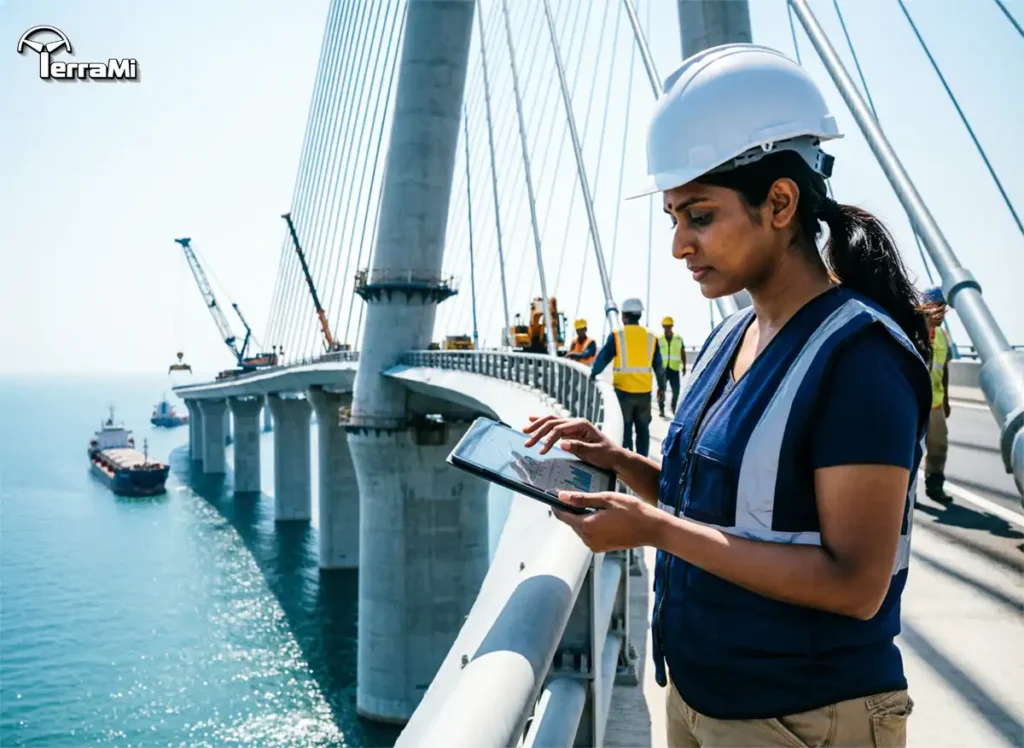
When we analyze Workforce Stability Risks, we must look beyond the simple metrics of hiring and firing. In large-scale engineering projects, every instance of turnover carries a “knowledge tax.” When a specialized worker leaves a site, they take with them intuitive understanding of the site’s specific challenges, safety nuances, and interpersonal dynamics. This turnover creates a vacuum that technology cannot immediately fill. High churn rates are direct indicators of deep-seated Workforce Stability Risks that can lead to a cascade of delays. For instance, replacing a lead crane operator or a specialized welder in the middle of a critical path phase can set a project back weeks, not just in hours lost, but in the time required for the new arrival to integrate into the safety culture.
Mental Health and the Safety Nexus
A core component of Workforce Stability Risks is the psychological well-being of the team. Infrastructure projects are often located in remote areas, involving long shifts and high-pressure environments. These conditions are breeding grounds for stress, fatigue, and burnout. Research from the International Labour Organization (ILO) suggests that projects with high levels of worker stress report a 30% increase in on-site accidents. At TerraMi, we categorize these “soft” factors as hard risks. If a workforce is mentally exhausted, your digital safety protocols are effectively neutralized. Managing Workforce Stability Risks means proactively creating environments that support mental resilience, ensuring that the “human machine” is as well-maintained as the physical equipment.
ESG 2.0: Integrating Social Risk into Governance
Under the framework of ESG 2.0, Workforce Stability Risks are moved from the “S” (Social) silo directly into the “G” (Governance) and “O” (Operational) categories. Infrastructure financiers are increasingly scrutinizing how project managers handle labor relations. A project plagued by strikes, high turnover, or poor safety records due to instability is seen as a high-risk investment. By identifying Workforce Stability Risks early, management can implement “Social Digital Twins”—predictive models that use worker feedback and sentiment analysis to anticipate instability before it manifests as a work stoppage. This is where TerraMi provides a competitive edge, turning social data into actionable risk-mitigation strategies.
The Global Perspective: Diversity as a Stability Driver
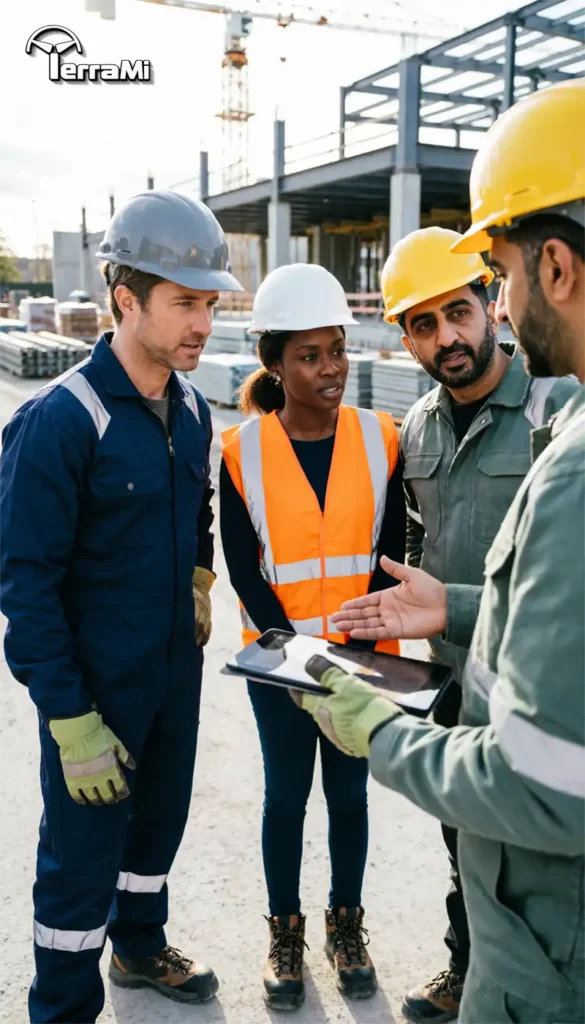
In a globalized construction environment, Workforce Stability Risks often stem from cultural friction or a lack of inclusive management. Projects that fail to respect the racial and cultural diversity of their teams often suffer from lower morale and higher conflict rates. However, when diversity is managed through a lens of global expertise and mutual respect, it becomes a source of resilience. Our projects worldwide show that inclusive teams stay together longer and solve problems more creatively. Addressing Workforce Stability Risks requires a leadership style that is culturally intelligent and universally applicable, reflecting the global nature of modern science and engineering.
Case Study: The Hidden Erosion of Project Reliability
For instance, in our recent assessment of a mega-project in Southeast Asia, we identified that while the technical progress was on track, the project was suffering from a 40% annual turnover in middle management. This specific manifestation of Workforce Stability Risks was caused by a disconnect between the site-office pressures and the corporate ESG commitments. The “red-line” corrections from management were not being communicated effectively to the field, leading to a loss of trust. By the time TerraMi was brought in, the project was facing a 20% cost overrun due to constant re-training and safety lapses. This case proves that ignoring the stability of your people is the fastest way to erode your financial bottom line.
Overcoming Workforce Stability Risks: A Strategic Roadmap
To effectively mitigate Workforce Stability Risks, TerraMi recommends the following three-pillar approach:
- Sentiment Monitoring: Moving beyond annual surveys to real-time, anonymous feedback loops that capture the pulse of the site.
- Stability-Linked KPIs: Incentivizing managers not just on speed, but on workforce retention and safety culture metrics.
- Human-Centric Site Design: Improving the physical living and working conditions on-site to reduce the friction that leads to burnout.
Conclusion: Leadership in the Age of Instability
The future of infrastructure delivery depends on our ability to stabilize the human element. Workforce Stability Risks are the “hidden friction” in the machinery of progress. As we look toward 2026 and beyond, the most successful firms will be those that treat their workforce as their most valuable—and most volatile—asset.
Partner with TerraMi today to audit your project’s social resilience and eliminate the hidden Workforce Stability Risks that threaten your delivery.